After a car accident, many Virginia drivers are left wondering what will happen if they try to trade in their damaged vehicle. Accident history can affect the value of a vehicle, but it does not automatically prevent a trade-in. Understanding the process and what to expect can help drivers make informed decisions and get the best possible outcome.
Trade-In Is Still Possible After an Accident
In Virginia, vehicles that have been in accidents can still be traded in at dealerships. Many cars on dealership lots have had minor or even major accident histories. What matters most is the current condition of the car and its potential resale value.
Dealerships will evaluate the vehicle to determine how much they are willing to offer for the trade-in. This evaluation includes assessing damage, mechanical condition, and cosmetic issues. Even cars with visible damage may be accepted, though the trade-in offer is often lower than for vehicles without accident history.
How Dealerships Assess Accident Damage
When a car has been in an accident, dealerships take several factors into account:
Severity of Damage
The more extensive the damage, the more it will impact trade-in value. Minor dents or scratches may only slightly reduce the offer, while structural damage, frame issues, or airbag deployment can result in significant reductions.
Quality of Repairs
If the accident was repaired properly and professionally, the vehicle may retain more of its value. Dealerships often check repair quality to ensure that the car is safe and mechanically sound for resale.
Vehicle History Report
Accident records on a vehicle history report can influence the trade-in offer. Reports that show previous claims or collisions may lead to diminished value, even if the car has been repaired. Dealerships use these reports to assess buyer risk and resale potential.
Age and Mileage
Newer vehicles with low mileage generally maintain more value after an accident than older, high-mileage cars. A newer vehicle may still attract buyers despite minor accident history, which can help preserve trade-in value.
Diminished Value and Its Impact
Diminished value refers to the loss in market value that occurs after a car has been involved in an accident. Even if repairs are perfect, buyers often prefer cars that have never been in a collision.
Dealerships account for diminished value when making trade-in offers. This means that a car with accident history may receive a lower offer than a similar car without prior accidents.
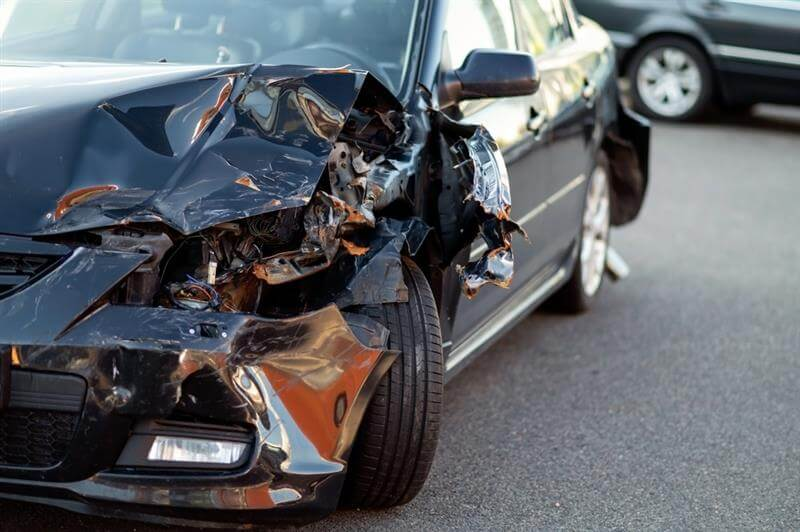
What to Expect During a Trade-In
When you trade in a car with accident history:
- The dealership will inspect the vehicle to evaluate its condition.
- They will review any repair records and vehicle history reports.
- The dealership will make a trade-in offer based on the car’s market value minus any repair costs and diminished value.
- You can either accept the offer or negotiate, and it is often beneficial to visit multiple dealerships for comparison.
Even if the car has mechanical or cosmetic damage, many dealerships will still consider it for trade-in because they have access to repair resources and resale channels.
Tips to Get the Best Trade-In Offer
- Clean Your Vehicle: A thorough cleaning inside and out can make a better impression.
- Provide Repair Records: Documentation of professional repairs can reassure the dealer that the vehicle is in good condition.
- Get Multiple Offers: Visiting several dealerships can help ensure you get the highest possible trade-in value.
- Understand Diminished Value: Be aware that accident history will likely lower your offer, and factor that into your expectations.
Final Thoughts
Trading in a car that has been in an accident is common in Virginia. While accident history and diminished value may lower the trade-in offer, it is still possible to sell the car to a dealership. By understanding how dealers evaluate accident-damaged vehicles, Virginia drivers can prepare for the process, gather relevant documentation, and negotiate for the best offer possible.