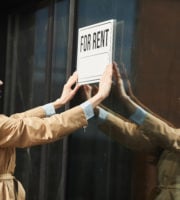
Turning a dusty basement or an empty garage into a source of passive income is a brilliant financial move. If you have an empty room gathering cobwebs, you can easily turn that square footage into extra cash each month. When you decide to rent out your storage space, you become the manager of your own mini-facility. Before you hand over the garage clicker or the spare key, you have to decide exactly what you’re willing to let someone else keep on your property. Not all items are created equal, and taking in the wrong belongings can turn a great side hustle into a stressful ordeal. Knowing how to filter requests and set strict guidelines protects your property, your peace of mind, and your personal liability. Let’s explore how to figure out exactly what belongs in your available space and what needs to go somewhere else.
Assessing Your Climate and Conditions
Look at the actual environment of the area you plan to rent. An unfinished attic behaves very differently than a climate-controlled spare bedroom. Attics bake in the summer sun and freeze during the winter. Basements are prone to dampness and occasional flooding. If your space lacks climate control, you can’t store sensitive items like vintage wooden furniture, electronics, vinyl records, or delicate artwork. These items warp, crack, and mold when exposed to fluctuating temperatures and humidity.
Instead, limit non-climate-controlled areas to durable goods like plastic holiday decorations, lawn equipment, sporting goods, or sealed plastic bins of off-season clothing. Be upfront about the conditions of your space so the renter knows exactly what they’re getting.
Establishing Safety Restrictions
Safety should always be your top priority. You’re sharing this space with your family, so certain hazards are strictly off-limits. Never allow anyone to store flammable liquids, combustible materials, or hazardous chemicals on your property. This means no spare gasoline cans, fireworks, propane tanks, or toxic cleaning supplies.
You also need to ban perishable food items or anything that might attract pests. A cardboard box full of improperly sealed pantry goods will quickly invite mice and insects into your home, creating a nightmare for everyone involved. It’s also standard practice to prohibit firearms, ammunition, and any illegal substances. Make these safety exclusions undeniably clear before anyone signs an agreement.
Matching Items to Access Needs
The type of items you accept should align with how often the renter needs to access them. If you’re renting out a spare bedroom inside your main living area, you probably don’t want a stranger walking through your hallway every single day to grab their work tools or daily inventory for a small business.
In high-traffic, restricted-access areas, it’s best to only accept long-term storage items. Think of things like family heirlooms, seasonal wardrobes, or archives of paperwork that the person only needs to check on once or twice a year. If you’re renting a detached shed or a driveway where the person can come and go without disturbing your family, you can be much more flexible with items they need to grab regularly.
Evaluating Size and Physical Limits
You have to consider the physical limitations of your property. If your spare room is on the second floor with a narrow staircase, agreeing to store a grand piano or a solid oak dining table is a terrible idea. Moving those items risks damaging your drywall, scratching your floors, and injuring the people carrying them. Stick to items that easily fit through your doorways and can be carried by one or two people without a struggle.
You also need to think about structural limits. If you’re renting out an attic, the joists might only support a certain amount of weight before causing ceiling damage to the rooms below. For large, bulky items like vehicles, boats, or oversized furniture, restrict them to ground-level garages, wide driveways, or easily accessible backyard sheds.
Managing Value and Liability
Think carefully about the monetary and sentimental value of the items you agree to host. While homeowner’s insurance sometimes offers a bit of overlap, it rarely covers a third party’s extremely valuable property if a fire or flood occurs. If someone wants to store a collection of rare art, expensive jewelry, or high-end camera equipment, it’s usually best to decline.
You don’t want the stress of being responsible for irreplaceable valuables. Encourage your renters to carry their own renter’s insurance for their stored goods, and stick to hosting standard household items, seasonal gear, and everyday furniture where a potential loss wouldn’t result in a devastating financial or emotional dispute. Documenting the condition of the items when they arrive also helps prevent misunderstandings later.
Preserving Your Peace of Mind
Sharing your unused square footage is a fantastic way to generate income, but it requires a bit of foresight. By evaluating your space’s climate, setting strict safety boundaries, matching access needs to your lifestyle, and avoiding overly valuable or bulky items, you set the stage for a smooth experience. You’re in complete control of your property. Don’t be afraid to ask questions about what’s inside the boxes or to turn away a renter if their needs don’t align with your rules. Establishing these clear boundaries early on ensures that your new side hustle remains a profitable, stress-free addition to your life.